Recommended Surgeon
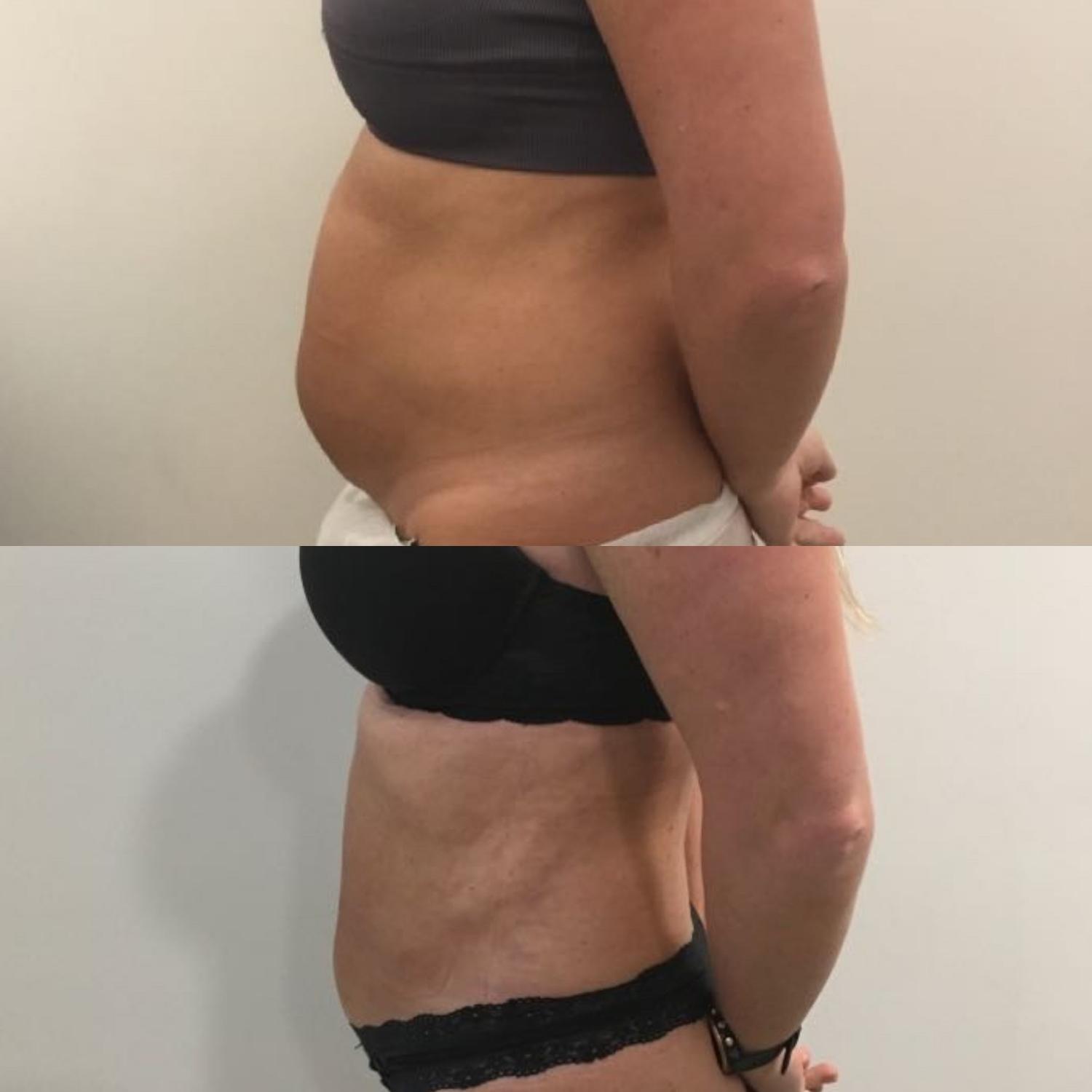
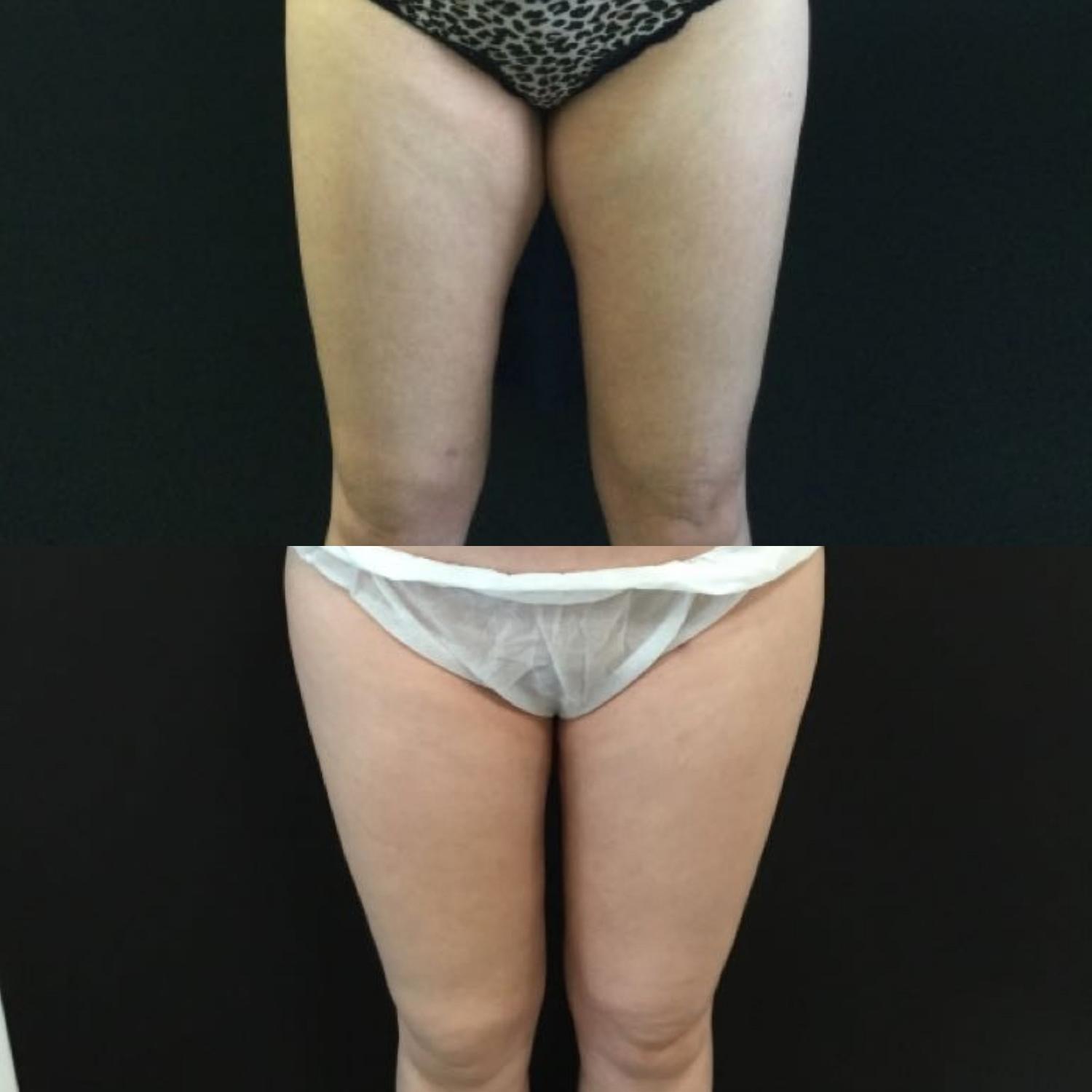
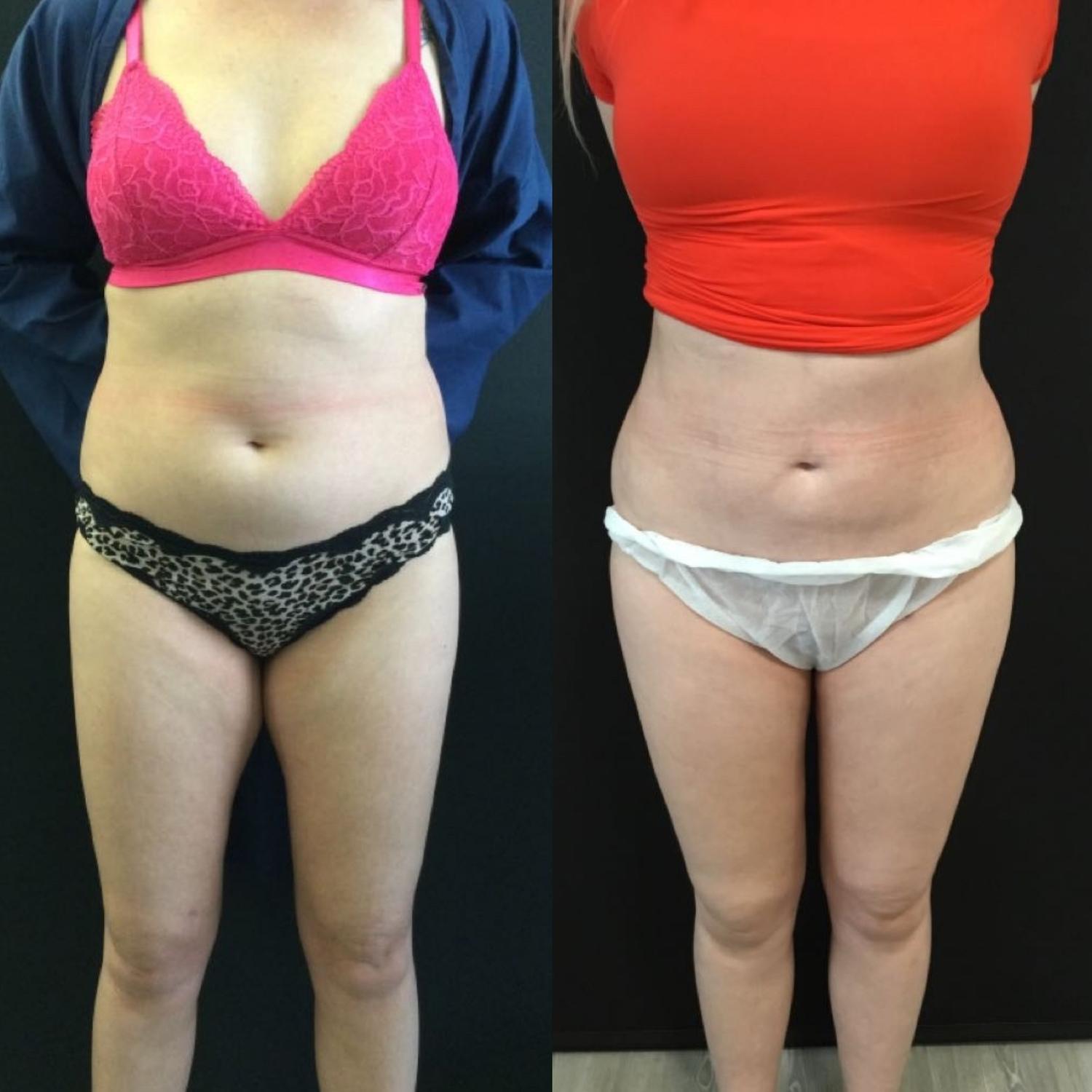
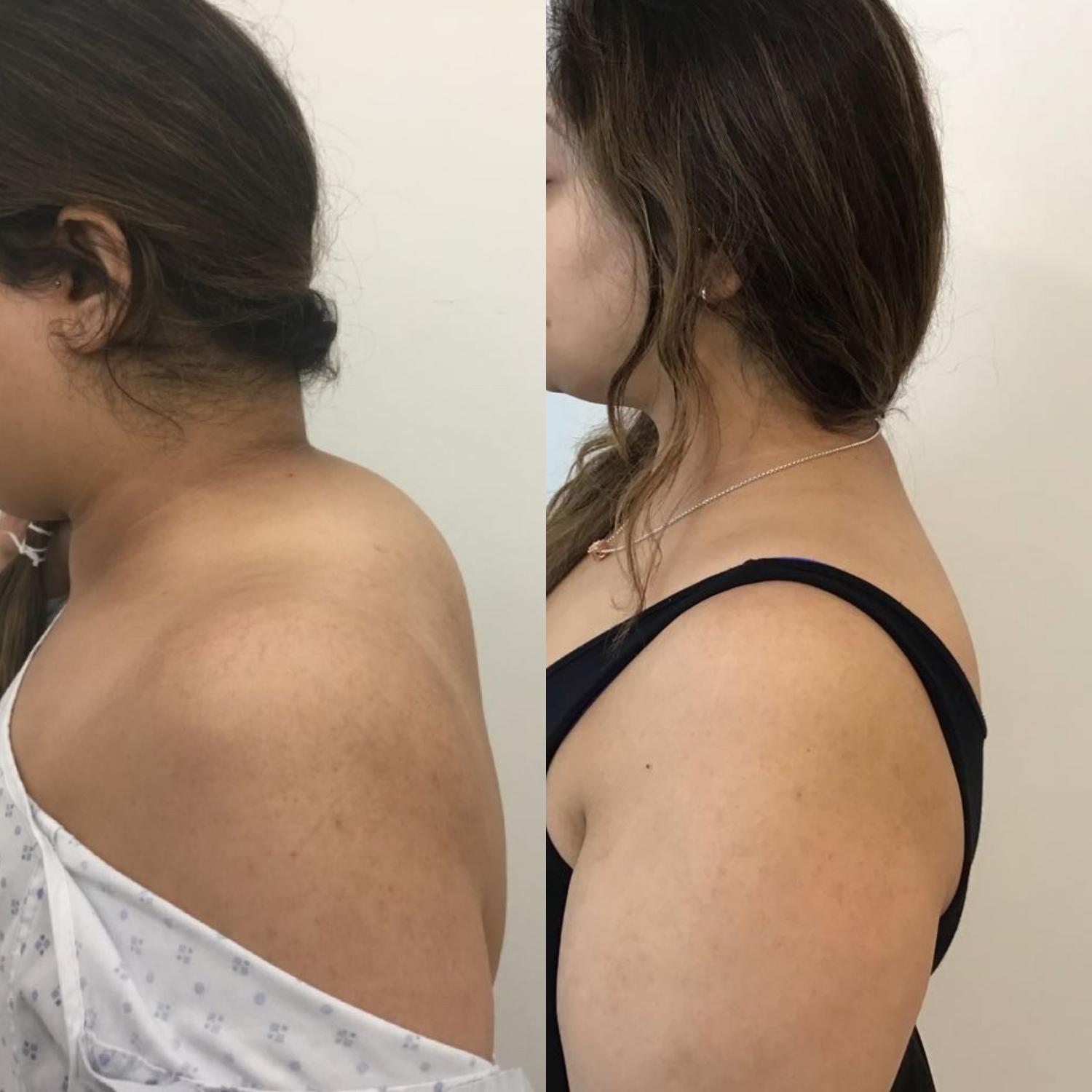
Liposuction is a body contouring procedure that removes localised fat deposits from beneath the skin using a fine cannula connected to a suction device. By permanently reducing the number of fat cells in targeted areas, liposuction reshapes and refines body contours in ways that diet and exercise alone cannot achieve. It is important to understand that liposuction is not a weight loss procedure, but is best suited to patients who are close to their ideal weight and wish to improve areas of stubborn fat.
Mr Hazim Sadideen performs liposuction using the tumescent power-assisted technique. A specialised fluid is introduced into the treatment area to minimise bleeding and improve precision, while the power-assisted cannula gently loosens fat before it is removed, helping to achieve smoother contours with less trauma to the surrounding tissues.
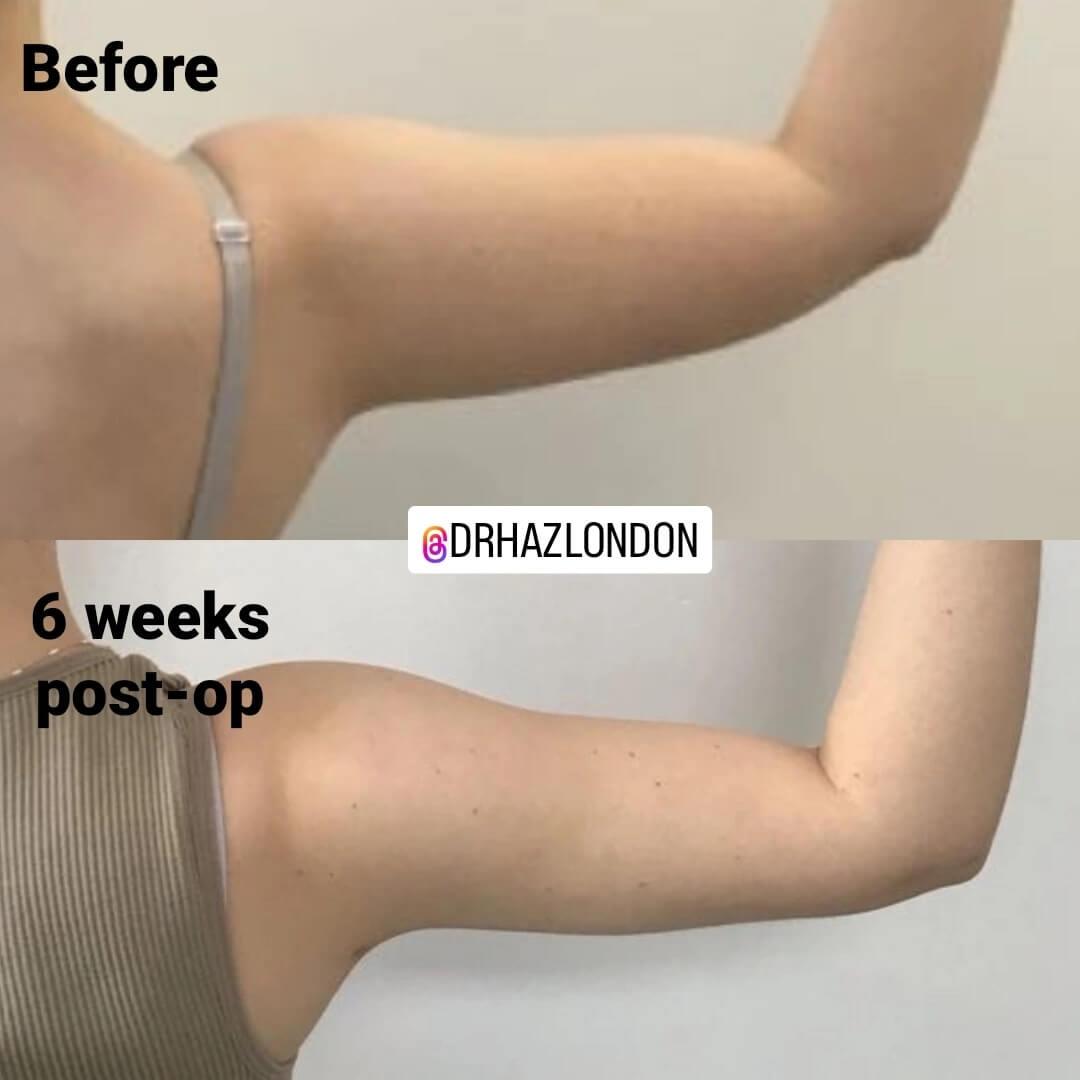
Liposuction can be performed on areas including the abdomen, waist, flanks, back, thighs, arms, chin and neck. In suitable patients, the harvested fat can also be purified and transferred to other areas of the body, such as the breasts or buttocks, allowing body contouring and fat grafting to be combined within the same procedure.
The best candidates for liposuction are at or close to a healthy, stable body weight, and have specific, localised areas of fat that have not responded to diet or exercise. Reasonable skin elasticity supports smooth skin contraction after fat removal, and good candidates are in good general health and free from conditions that could impair healing. Realistic expectations are important, understanding that liposuction refines shape rather than dramatically transforms it, and candidates should be non-smokers, or committed to stopping before and after surgery.
Significant skin laxity in the treatment area may limit what liposuction alone can achieve. Where loose skin is a concern, Mr Sadideen will discuss whether additional skin removal procedures would be appropriate to achieve your goals.
The tumescent power-assisted technique Mr Sadideen uses is widely regarded as the gold standard for liposuction. The tumescent infiltration serves three purposes: it provides local anaesthesia, causes vasoconstriction to minimise bleeding, and firms the fat tissue to allow more precise cannula movement. Power-assisted technology then facilitates gentle, efficient fat removal through cannulas that are typically just three to five millimetres in diameter.
These small cannulas mean that incisions are minimal, usually a few millimetres in length, and are placed within natural skin folds or at the borders of the treatment area wherever possible. They heal to small, flat marks that are rarely noticeable in the long term. A structured scar care protocol is included as part of your aftercare plan to support the best possible healing.
Mr Hazim Sadideen is a board-certified and FRCS-qualified consultant plastic surgeon specialising in aesthetic, reconstructive and regenerative plastic surgery. His approach is grounded in clinical evidence, meticulous surgical technique and personalised planning.
Patients choose Mr Sadideen for his:
Most patients are surprised by how manageable the recovery from liposuction is. The first week typically involves swelling and bruising in the treated areas, alongside a feeling of tightness as the skin begins to adapt. Discomfort is usually mild to moderate and well managed with prescribed medication.
Compression garments are worn continuously in the first few weeks, then as directed, to reduce swelling and support skin contraction. Most patients return to desk-based work within one to two weeks, with gentle walking encouraged from the day after surgery. Strenuous exercise and heavy lifting are avoided for four to six weeks, and visible improvement in contour develops gradually, with final results typically apparent at three to six months.
Manual lymphatic drainage is strongly recommended as part of post-operative care. This specialist massage technique supports the lymphatic system, accelerates the reduction of swelling and contributes to a smoother overall result. The schedule is tailored to your individual recovery.
Liposuction is a well-established and safe procedure when performed by an appropriately trained surgeon in a suitable clinical environment. As with all surgery, however, risks exist and are discussed openly during your consultation. These include temporary swelling, bruising and altered skin sensation, contour irregularities or asymmetry, skin discolouration in the treated areas, infection or haematoma, and skin laxity where elasticity is limited. A small number of patients may require refinement procedures.
Mr Sadideen’s careful patient selection, precise technique and structured follow-up programme are all designed to minimise these risks and ensure a safe, supported recovery.
Liposuction works well as a standalone procedure but is also frequently performed as part of a broader surgical plan. Fat transfer to the breasts uses harvested fat, processed and injected into the breasts to enhance volume and improve natural shape, an implant-free alternative or complement to augmentation surgery. In selected patients, liposuction to donor sites can be combined with implant-based breast augmentation for a comprehensive result. Where significant skin laxity accompanies excess abdominal fat, liposuction and skin removal may be combined as part of an abdominoplasty, and for patients with extensive skin laxity following significant weight loss, liposuction may form part of a staged body lift plan.
All combinations are assessed individually, with safety and surgical feasibility carefully considered during consultation.
For the Latest Updates of Mr Hazim Sadideen