As featured in Tatler, Glamour, Stylist and The TimesTatler Recommended Surgeon for Breast and Body Surgery and Scar RevisionAesthetic Practitioner of the Year FinalistAs featured in Tatler, Glamour, Stylist and The TimesTatler Recommended Surgeon for Breast and Body Surgery and Scar RevisionAesthetic Practitioner of the Year Finalist
Procedures >
>
Breast Augmentation London

Breast Augmentation London

What Is Breast Augmentation?

Breast augmentation is a surgical procedure that increases breast volume and refines contour. It is most commonly performed using breast implants, which can be positioned above the muscle, directly behind the breast tissue, or in a dual plane, where the implant sits partially beneath the pectoral muscle for a softer transition at the upper pole. In selected cases, augmentation is performed using fat grafting alone, or combined with fat transfer to refine shape and add definition where it is needed most.

Every consultation begins with a detailed assessment rather than a quick conversation about cup size. Mr Sadideen takes precise measurements of your chest width and breast base, examines the thickness and elasticity of your skin and soft tissue, and reviews your existing breast volume, symmetry, lifestyle and long-term goals. These findings inform the selection of implant type, size, shape and position, so your result is proportionate to your frame and built to last.

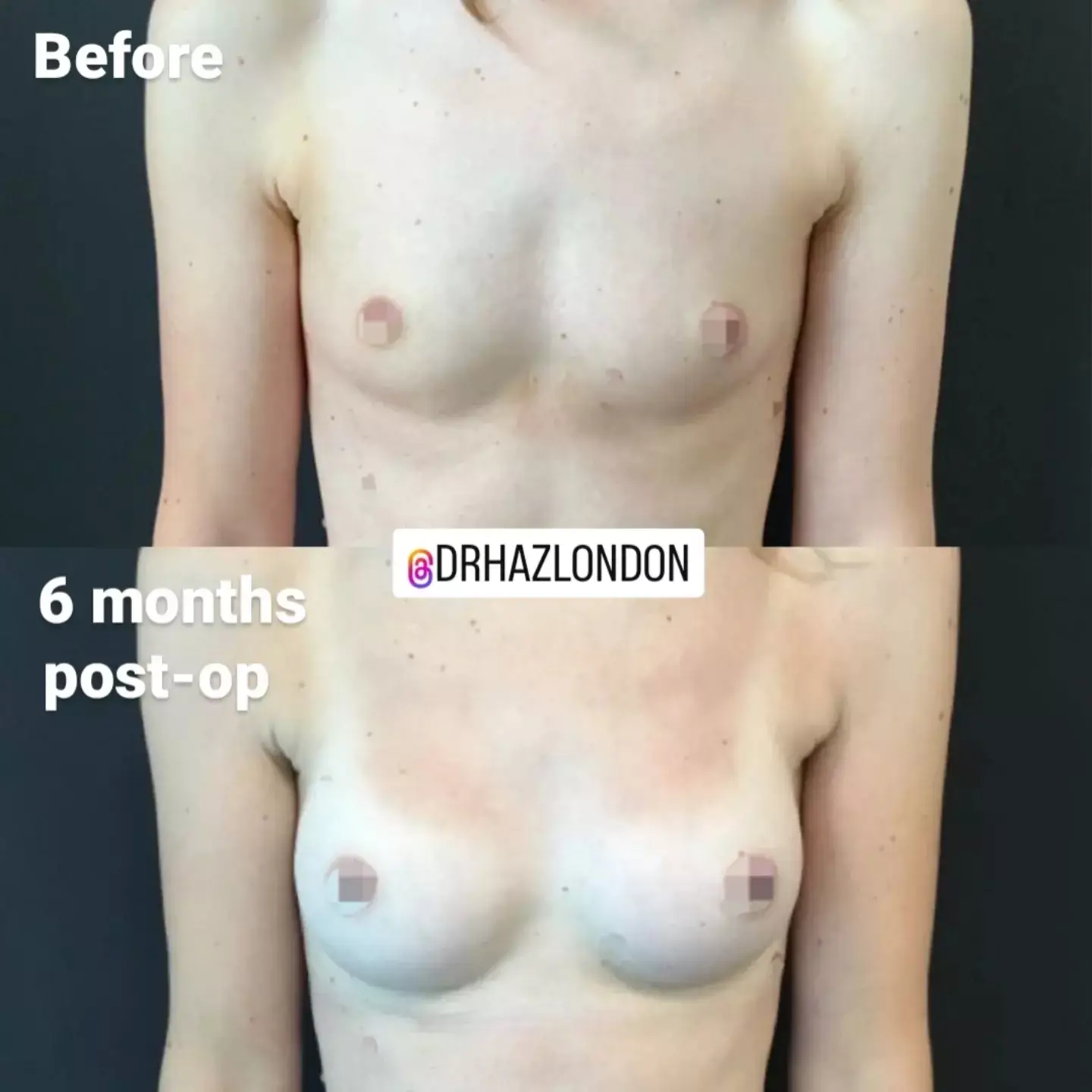
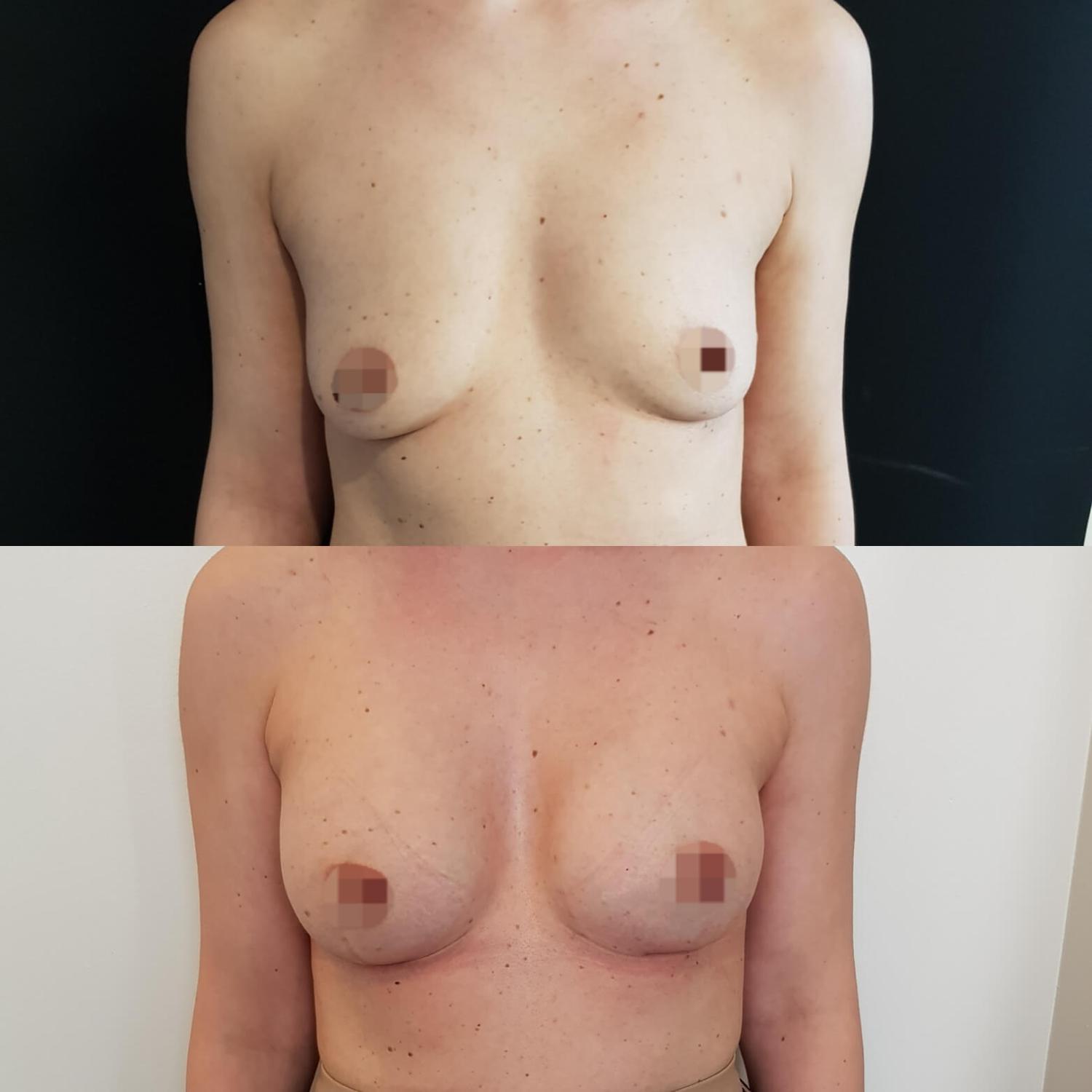
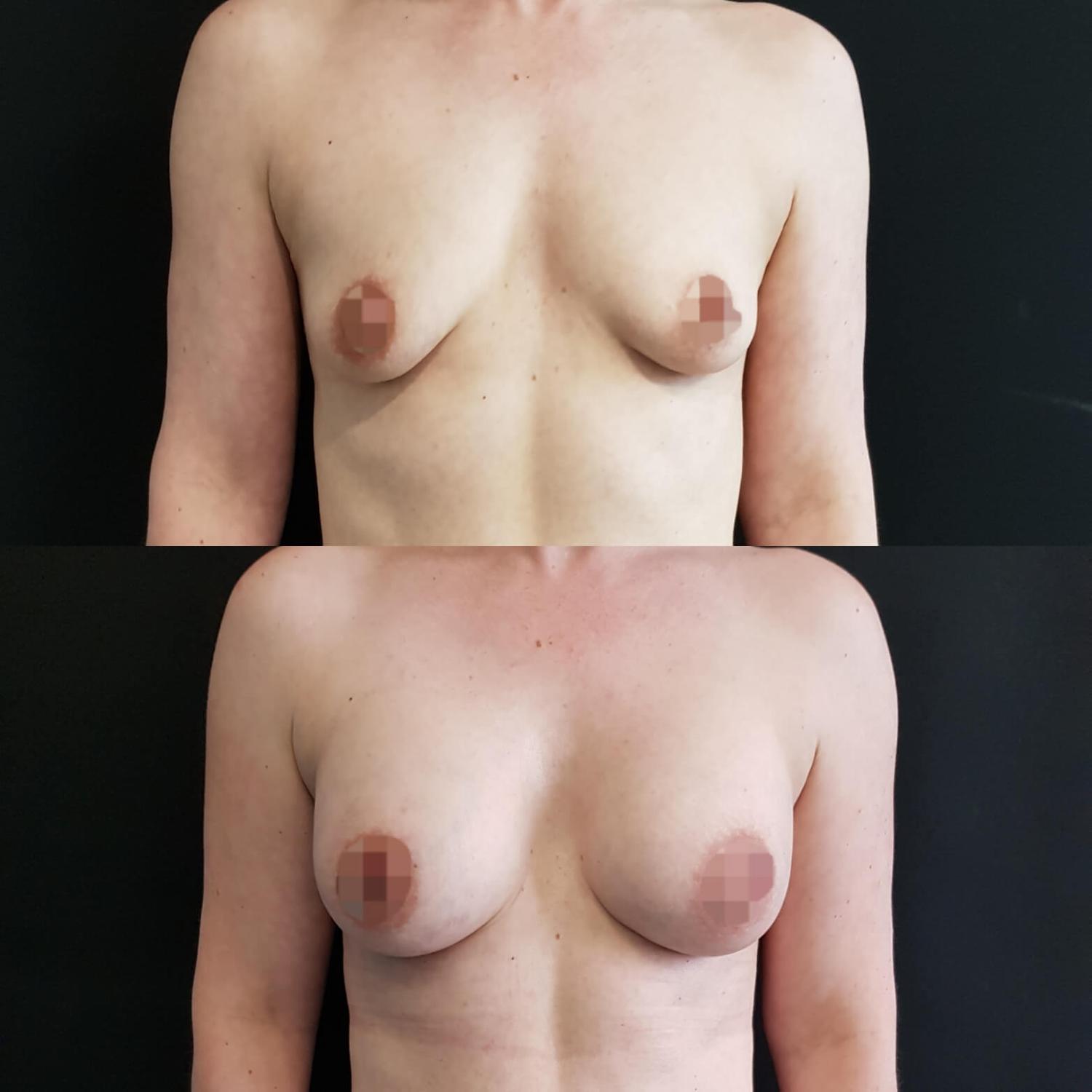
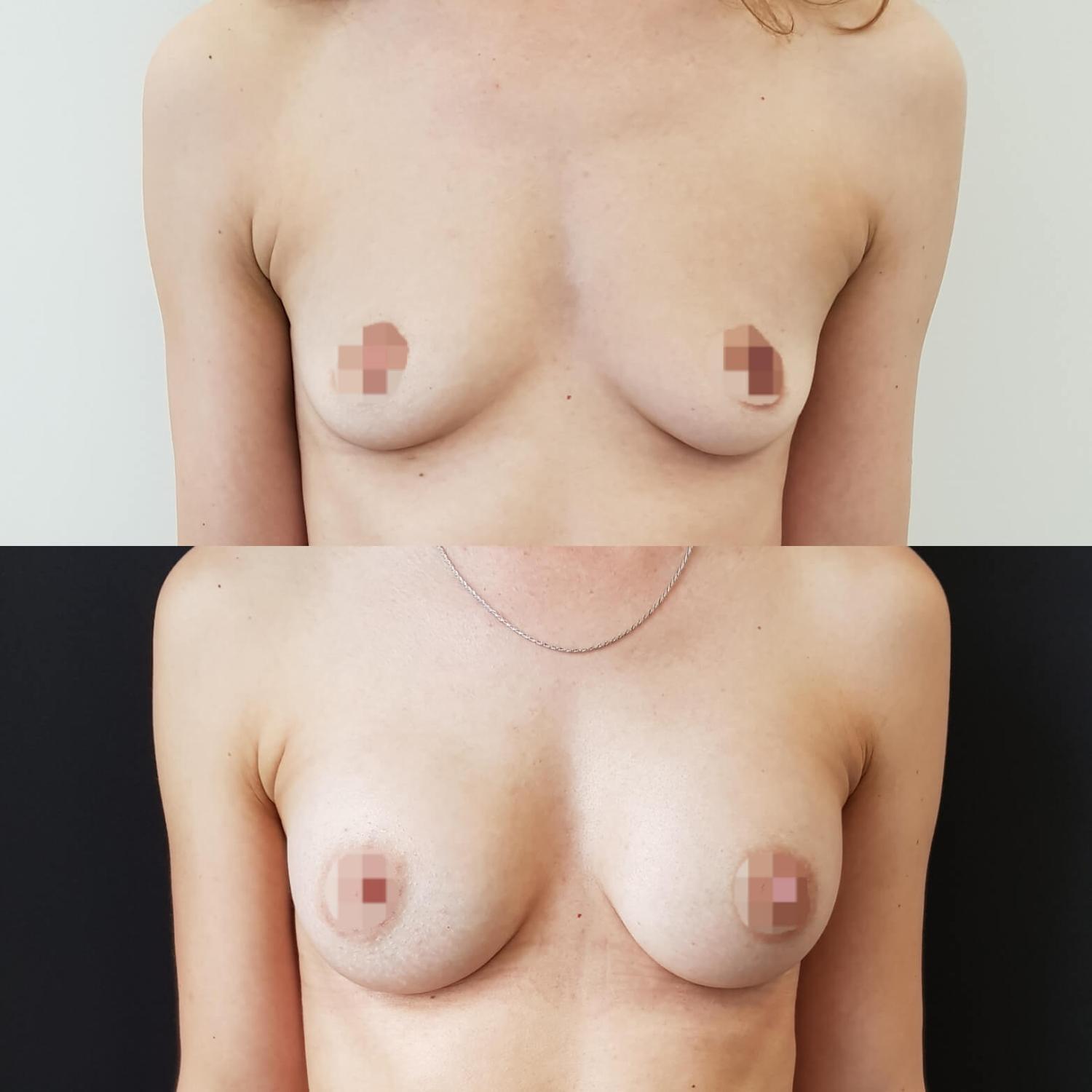
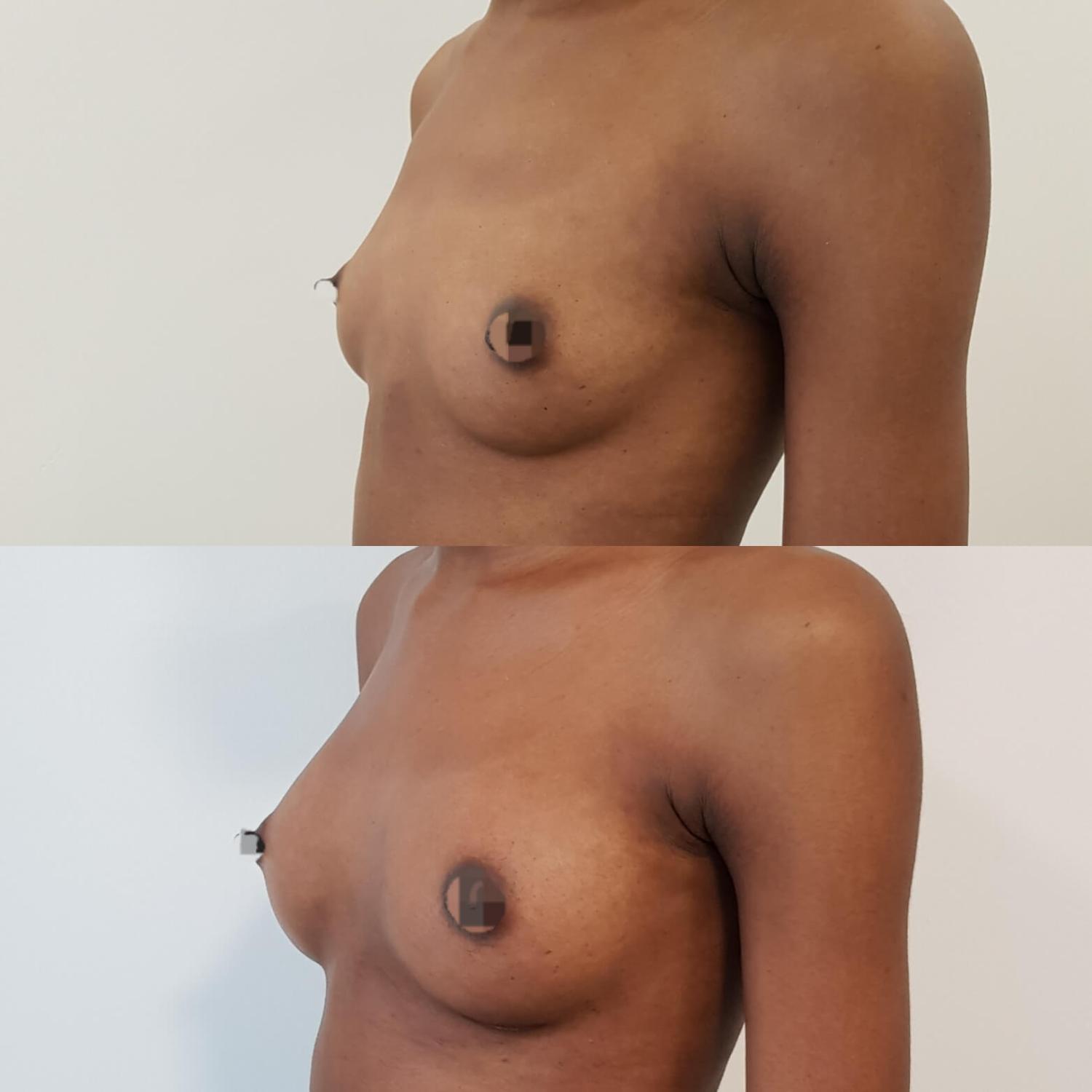
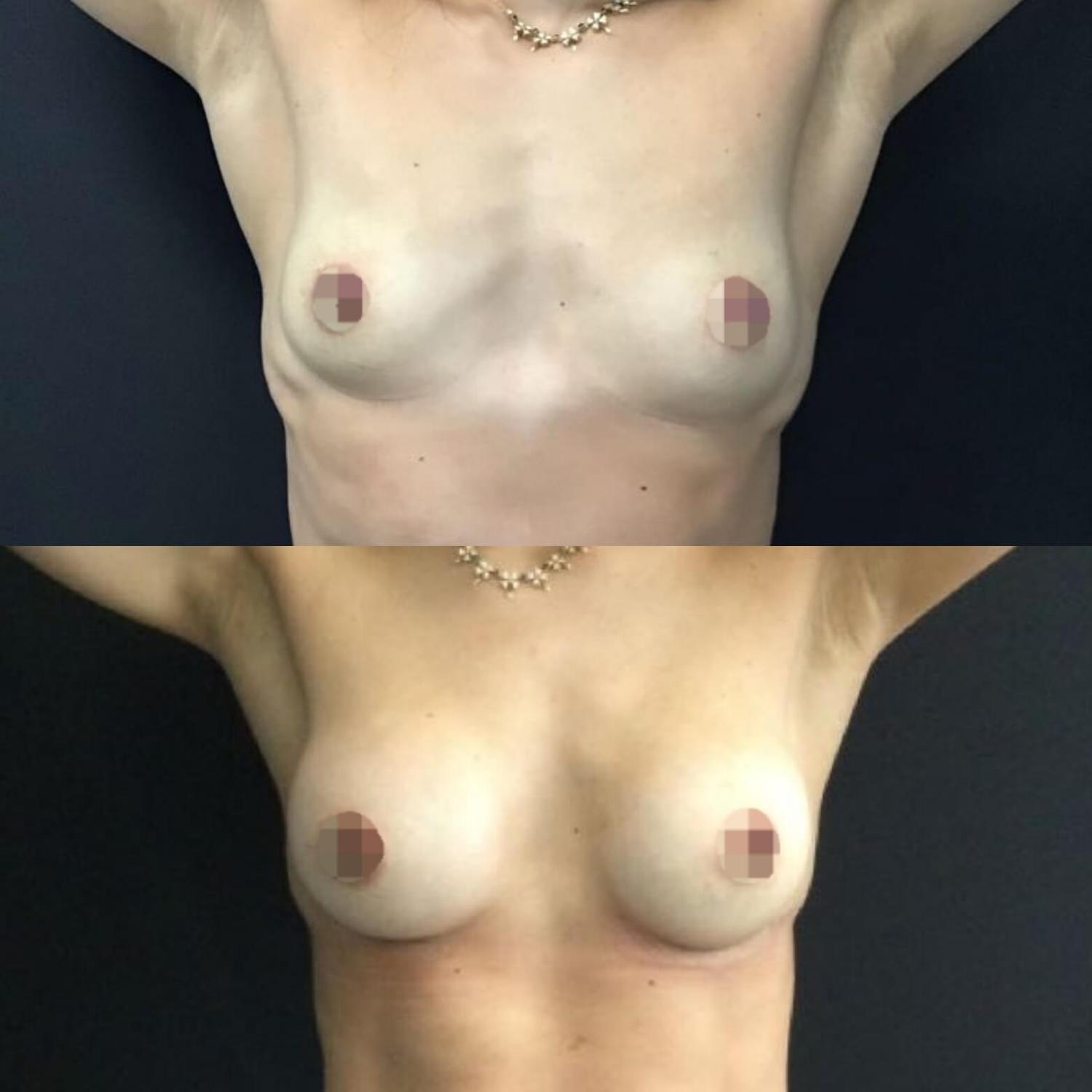
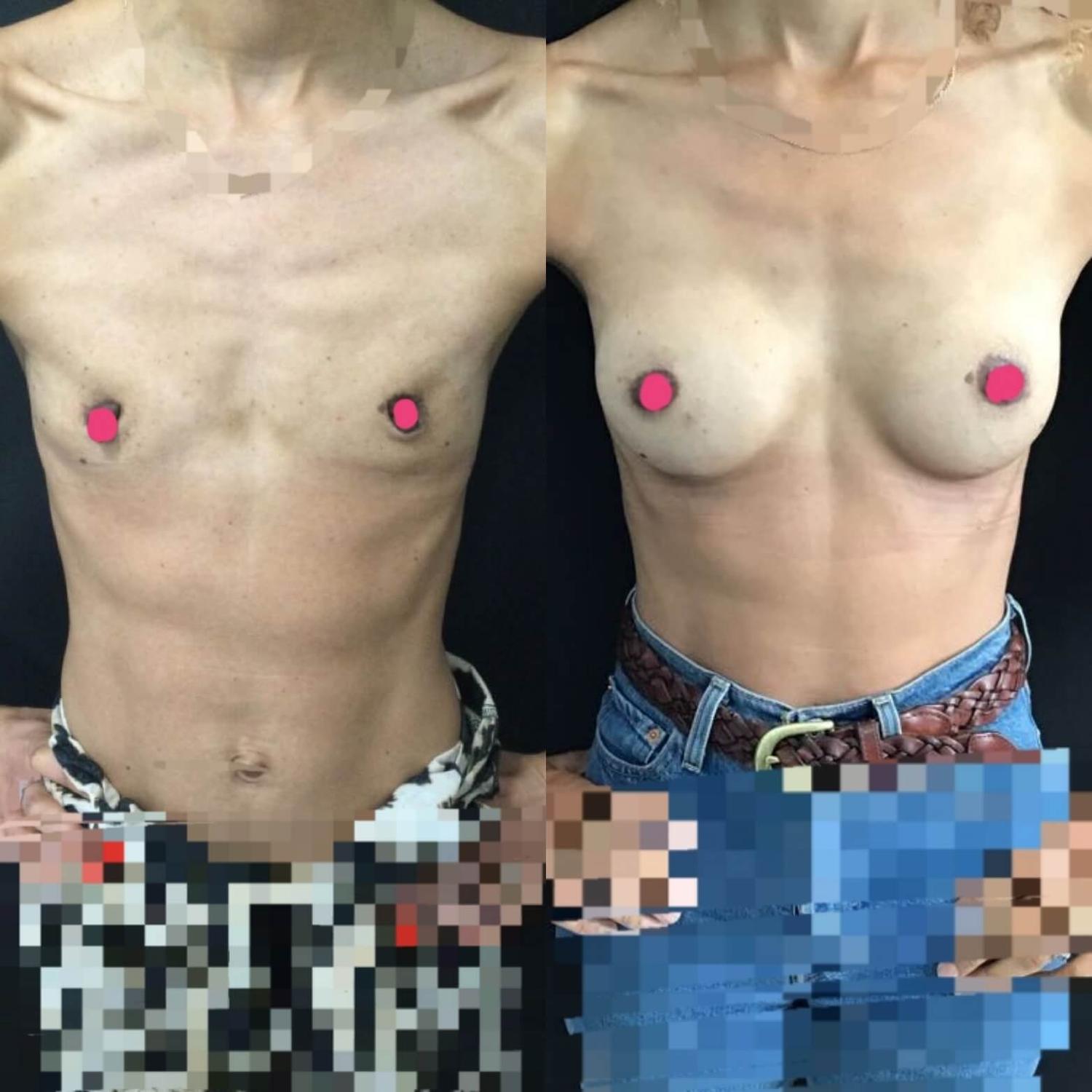
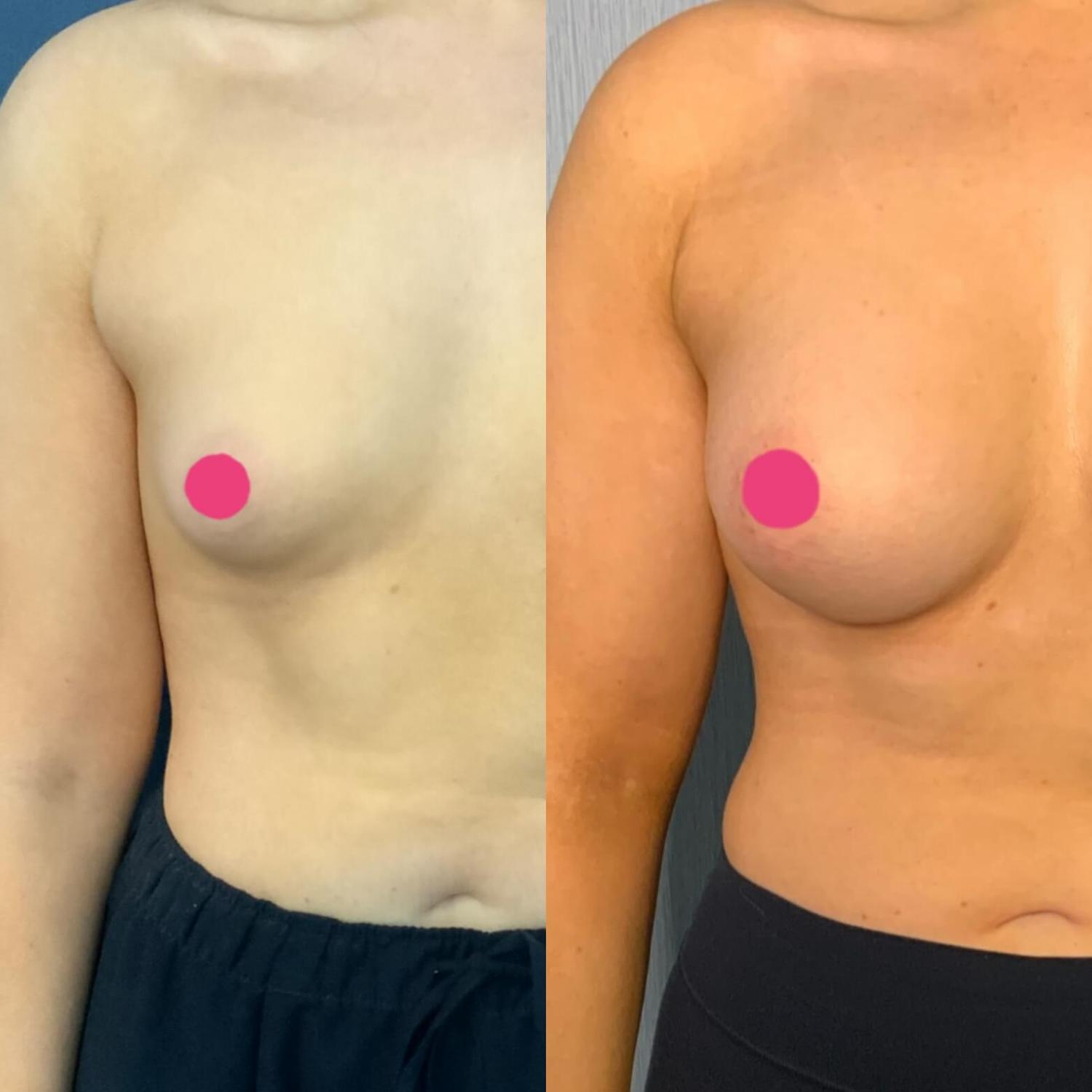
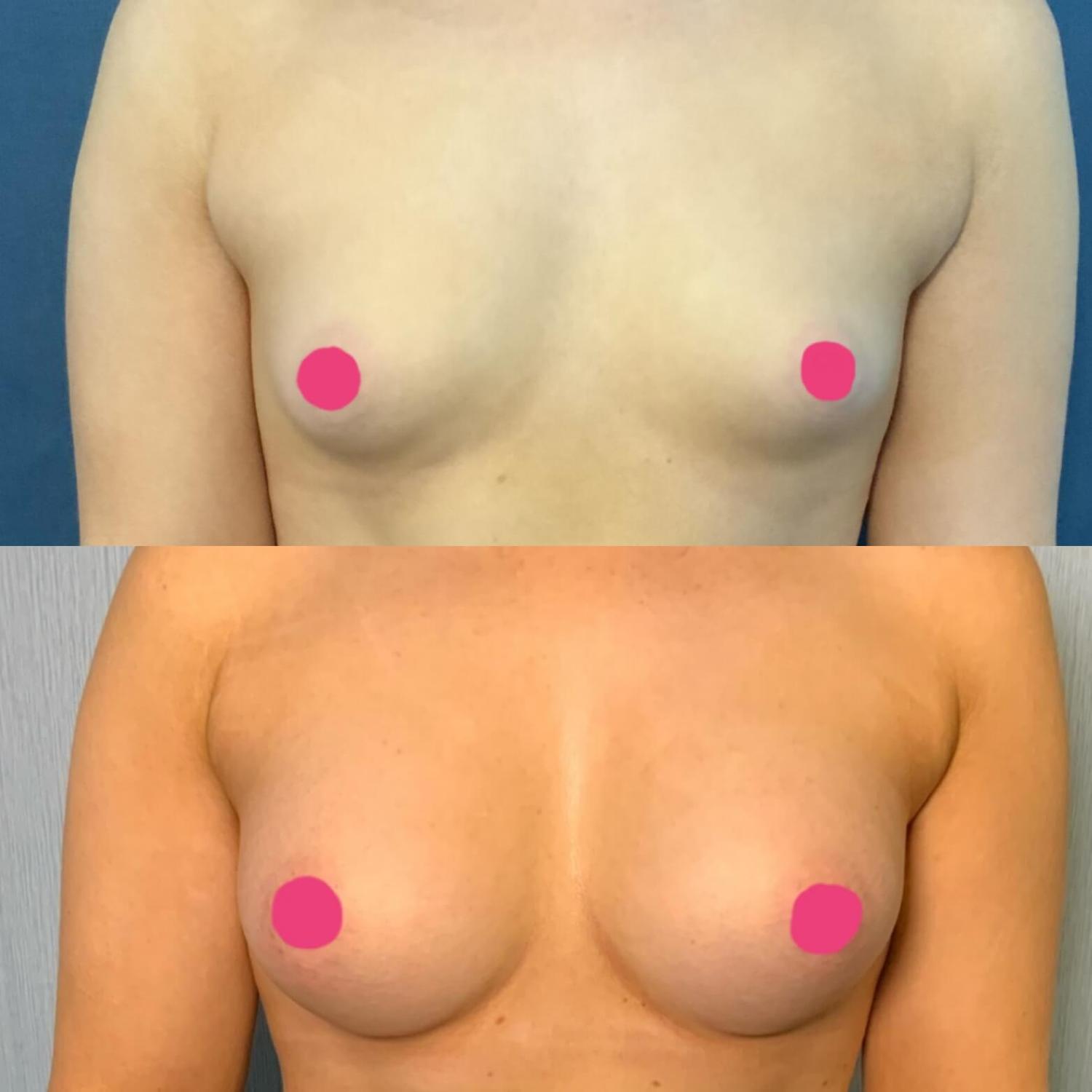
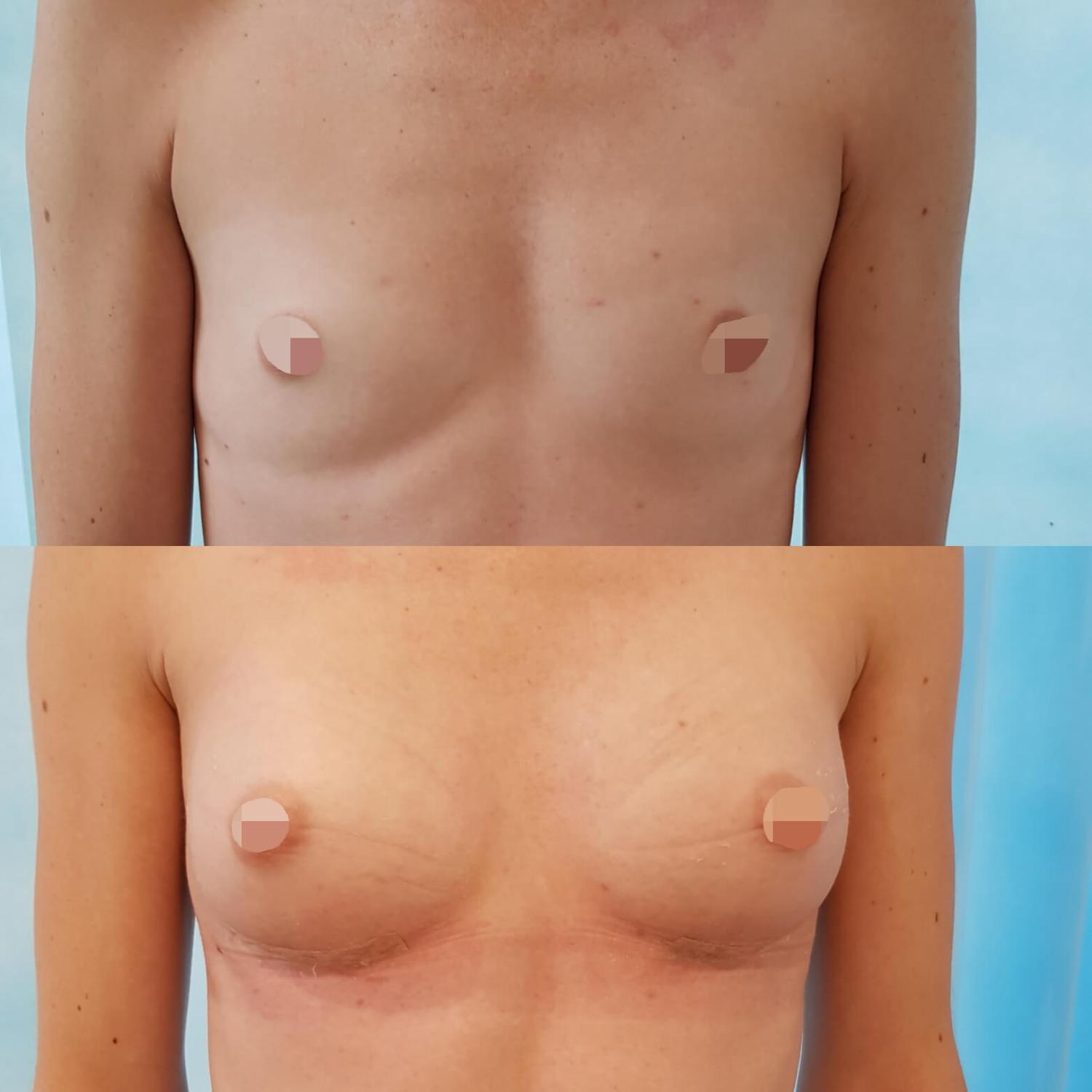
Breast Augmentation Before and After

What Are the Benefits of Breast Augmentation?

Breast augmentation can offer both aesthetic and psychological benefits, when it is performed for the right reasons and planned with care.
Breast augmentation enhances volume and contour, helping to restore balance and proportion to the body — particularly relevant for patients whose breast shape has changed following pregnancy, weight loss, or the natural effects of ageing. It can also restore fullness in the upper pole of the breast, which often diminishes over time due to hormonal changes, breastfeeding or ageing, refreshing the breast's overall shape rather than simply adding size.

Am I a Suitable Candidate for Breast Augmentation?

Suitability for breast augmentation is assessed through a thorough medical history and physical examination. Good candidates are generally in good physical and psychological health, understand the risks and limitations of surgery, are seeking improvement rather than perfection, and are willing to follow post-operative guidance closely. Mr Sadideen places strong emphasis on ensuring that surgery is appropriate for you, and aligned with your expectations, before any decision to proceed is made.

Choosing the Right Breast Implants

There are several implant options available, each with specific benefits, and the right choice depends entirely on your anatomy and goals rather than a fixed formula.

To help you visualise your result before committing to a decision, Mr Sadideen uses implant sizers with sports bras during consultation, giving you a practical sense of how you will look when dressed. This is combined with state-of-the-art 3D and 4D imaging using Crisalix, which allows you to see a realistic simulation of your undressed silhouette. Together, these tools allow you to make an informed, confident choice about volume and shape, rather than relying on guesswork or before-and-after photographs of other patients alone.

Throughout this process, Mr Sadideen talks you through implant profile, projection and placement, explaining how each factor affects your final silhouette. This collaborative approach ensures the decision feels considered and personal, reflecting your body and expectations rather than a generic outcome.

When Is a Breast Uplift (Mastopexy) Also Needed?

Breast augmentation increases volume, but it does not correct significant sagging.

If your breasts are drooping due to pregnancy or breastfeeding, weight changes, or ageing, a breast uplift (mastopexy) may be recommended, either at the same time as augmentation or as a staged, separate procedure.

A mastopexy reshapes the breast by removing excess skin and repositioning the nipple-areolar complex. It is similar in principle to a breast reduction, but without reducing volume. In some cases, a small amount of tissue is removed to improve shape.

How Is Implant Size Chosen?

The aim is not simply to choose a size, but to achieve a proportionate, harmonious result that looks natural and feels right for you.
01

Consultation

Choosing the right implant size is a highly individual process, guided by clinical assessment, proportion and patient goals. During your consultation, Mr Hazim Sadideen takes time to understand what has led you to consider breast augmentation, as well as your expectations around shape, fullness and overall outcome. This ensures any recommendation is both appropriate and safe for your body.
02

Precise Measurement

Implant sizing begins with precise measurements of your breast width and chest anatomy. These measurements determine the maximum implant width that can be used while maintaining a natural, balanced result and long-term tissue health. Depending on your measurements and the size you want to go for, the implant may be placed above or partly under the muscle.
03

Final Appearance

The profile of the implant then influences the final appearance. Higher-profile implants create greater upper-pole fullness and a more projected look, while lower-profile options offer a softer, more understated contour. Together, these factors allow implant size and shape to be tailored to your anatomy, lifestyle and aesthetic goals.

Why Choose Mr Hazim Sadideen for Breast
Augmentation in London

Mr Hazim Sadideen is a board-certified and FRCS-qualified consultant plastic surgeon specialising in aesthetic, reconstructive and regenerative plastic surgery. His approach is grounded in clinical evidence, meticulous surgical technique and personalised planning.

Patients choose Mr Sadideen for his:

Empathetic Approach

He takes the time to listen, ensuring you feel heard and supported throughout your journey.

Meticulous Technique

Grounded in clinical evidence, his methods prioritise safety and long-term breast health.

Natural Results

His philosophy focuses on creating a natural and healthy look that fits your unique anatomy rather than following trends.

Proven excellence

With over 20,000 patients treated, he is internationally recognised for his patient-centred care and attention to detail.

Recovery, Scarring and Long-Term Results

Recovery After Surgery

Recovery varies between individuals, but most patients follow a similar pattern. Early mobilisation, including walking, is encouraged immediately after surgery, and most patients take around one week off work. Swelling, bruising and mild discomfort are common in the initial period, and strenuous activity should be avoided for four to six weeks while the tissues settle. Mr Sadideen provides detailed post-operative instructions, including garment use and activity guidance, to support safe and comfortable healing throughout.

Scar Management

Incisions are typically placed within the breast crease, known as the inframammary fold. Depending on your anatomy and whether an uplift is required alongside augmentation, scars may be limited to around the areola in select cases, or involve a vertical or inverted-T pattern where a lift is performed. Mr Sadideen employs advanced techniques to minimise scarring and provides a strict scar care protocol once wounds have healed. While scars are an inevitable part of surgery, they typically fade over time and can be easily concealed by clothing.

Long-Term Results and Implant Lifespan

Breast implants are not lifetime devices, though many last well beyond the commonly quoted average lifespan of around ten years. Longevity can be influenced by hormonal changes, pregnancy, weight fluctuation and natural ageing. Regular follow-up appointments help ensure long-term breast health and allow any issues to be identified and addressed early.

Risks and Complications

All surgery carries risk, and breast augmentation is no exception. General surgical and anaesthetic risks apply, alongside specific implant-related risks, which include:

  • Capsular contracture
  • Rippling
  • Implant rupture or rotation
  • Deflation
  • Breast implant-associated ALCL

These risks are generally low, and are discussed in detail during consultation, along with the strategies used to minimise them. Depending on your goals, breast augmentation may also be combined with a breast uplift, fat grafting to the breasts, liposuction, or scar revision. This is assessed on an individual basis and discussed fully during consultation.

Frequently Asked Questions

The cost of breast augmentation varies depending on several factors, including the clinic's location and the surgeon's experience. With over 10 years in practice and more than 20,000 patients treated throughout his career, Mr Sadideen's fees start from £7,000. Travelling abroad for breast augmentation is not recommended, as it can carry increased medical and aftercare risks.

Follow Our Socials

For the Latest Updates of Mr Hazim Sadideen